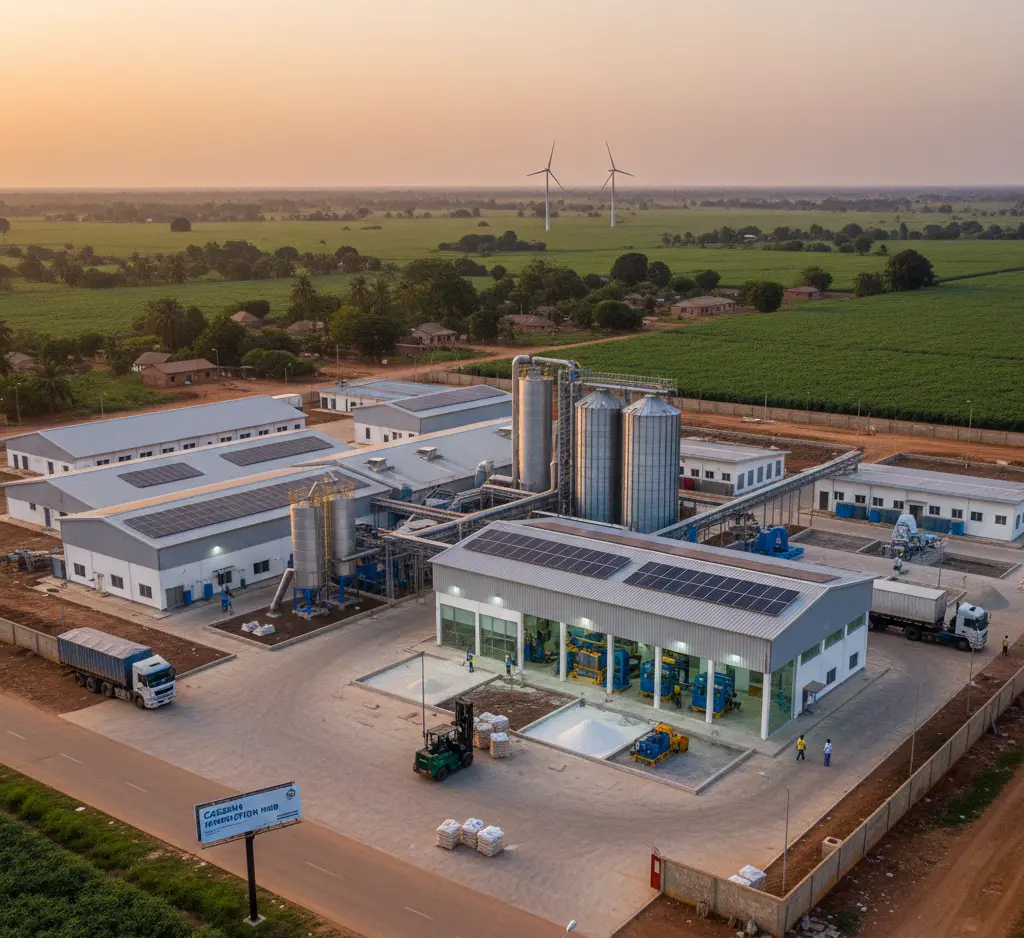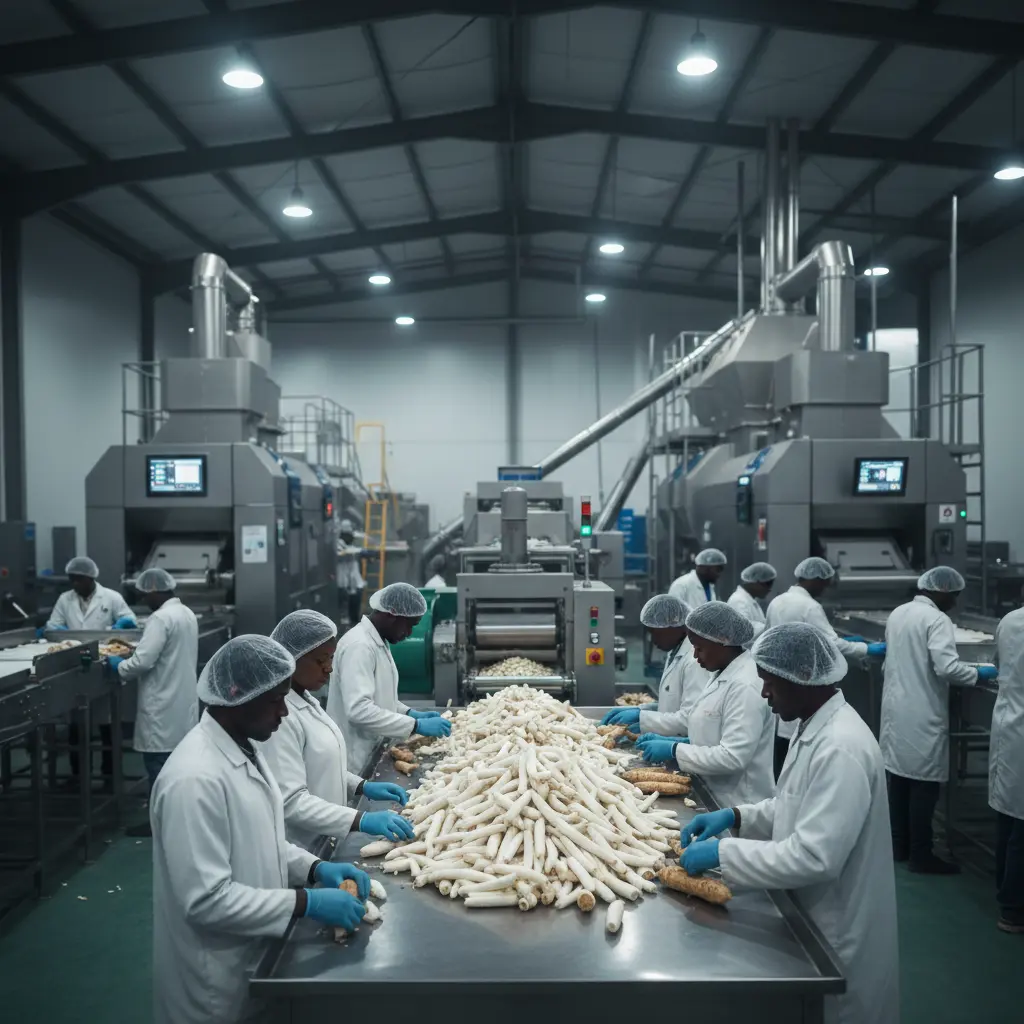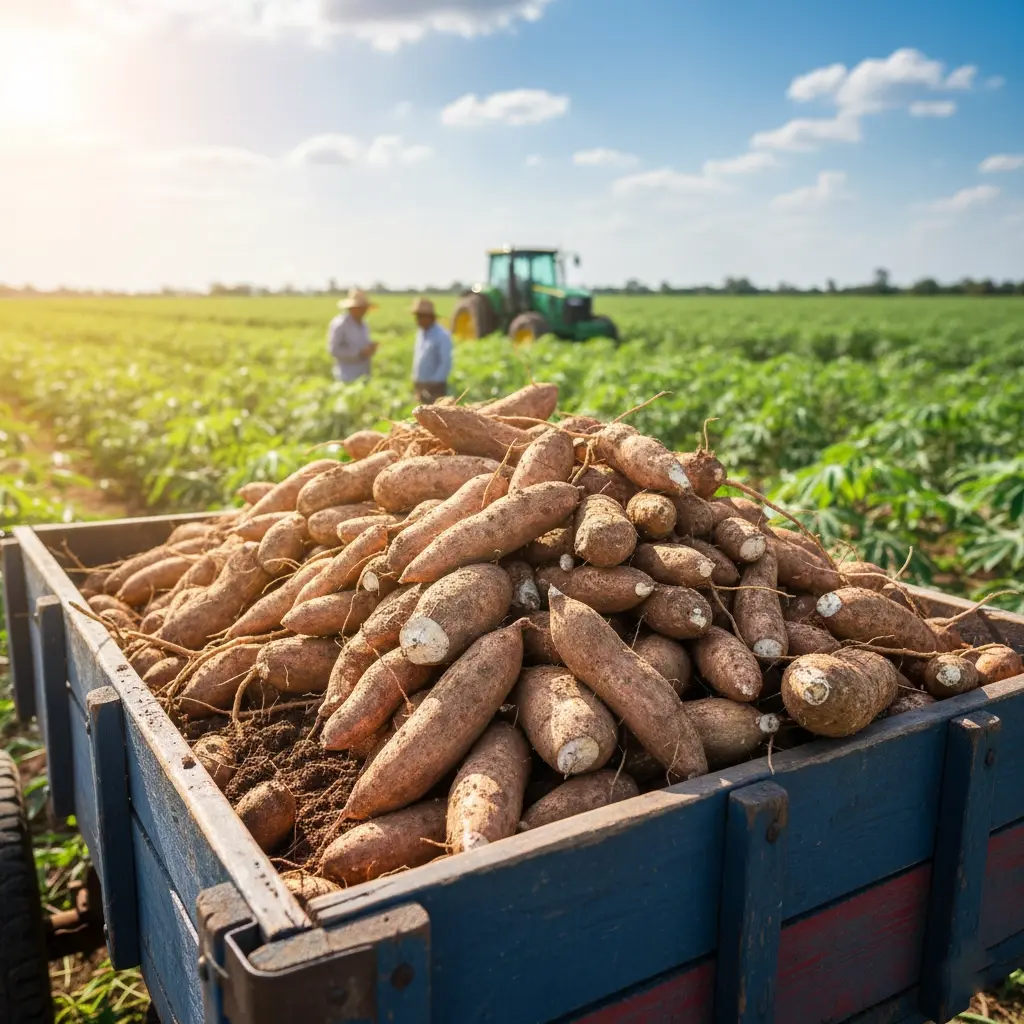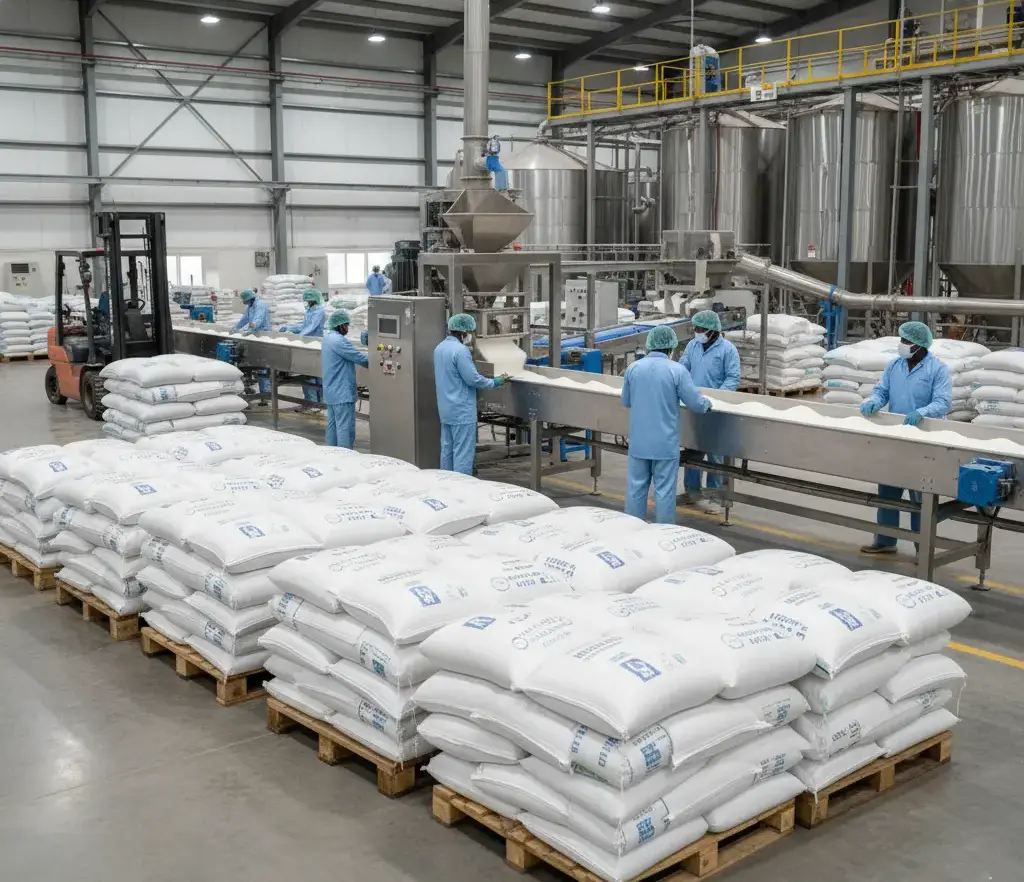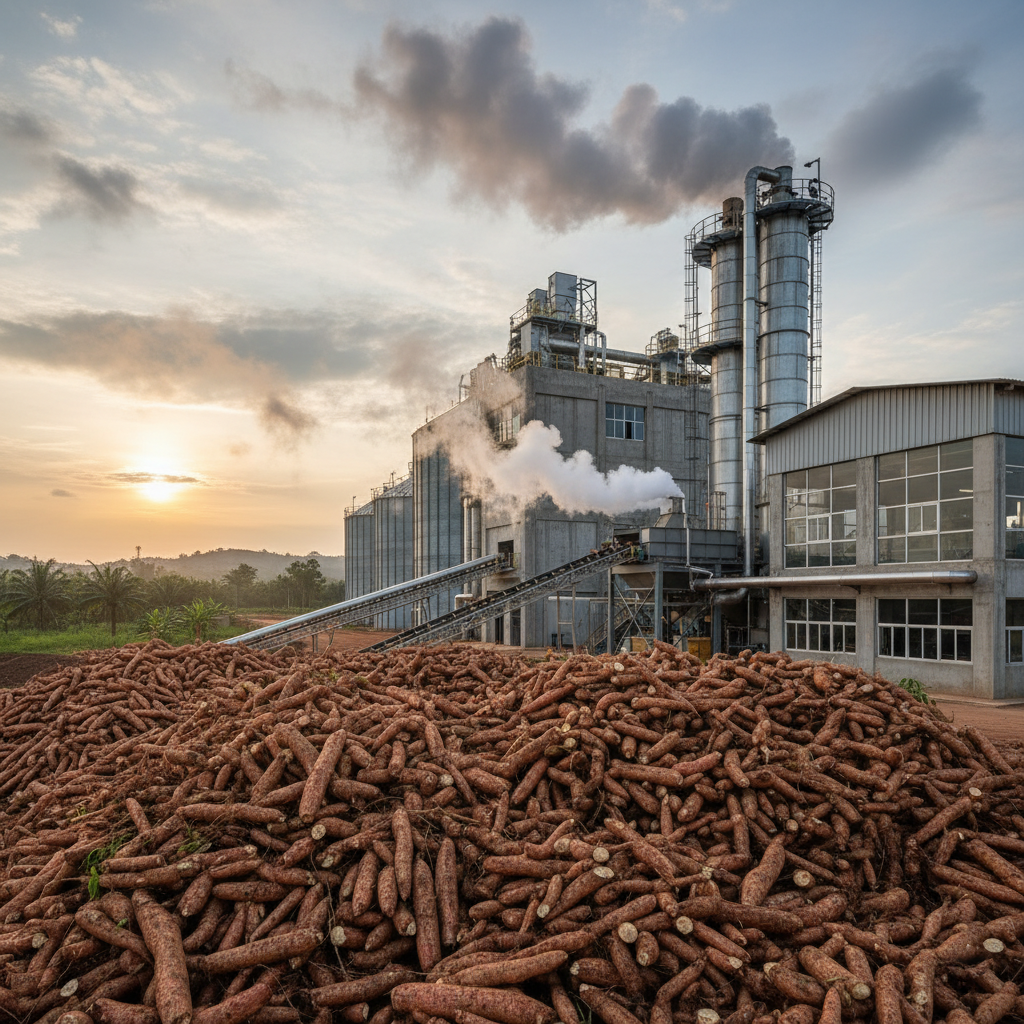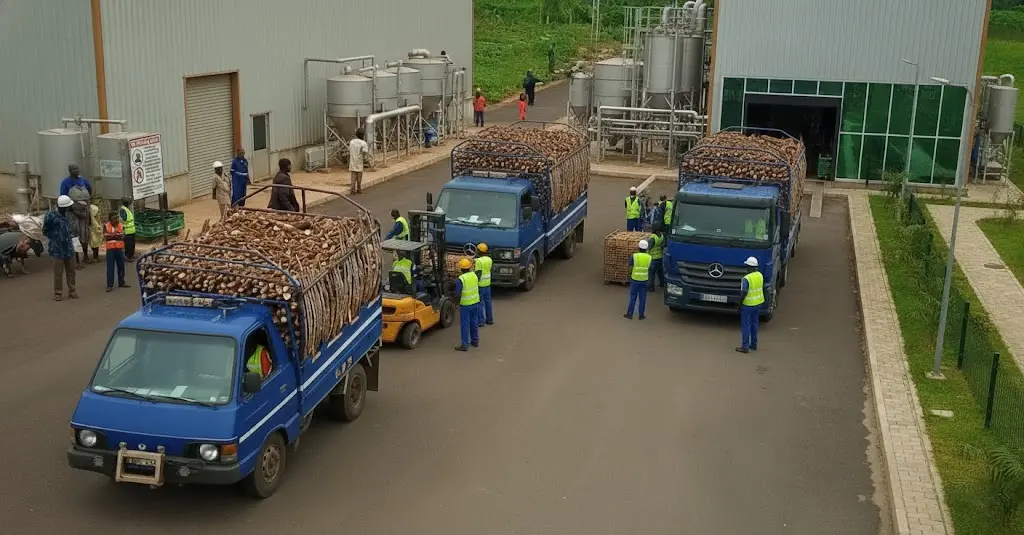
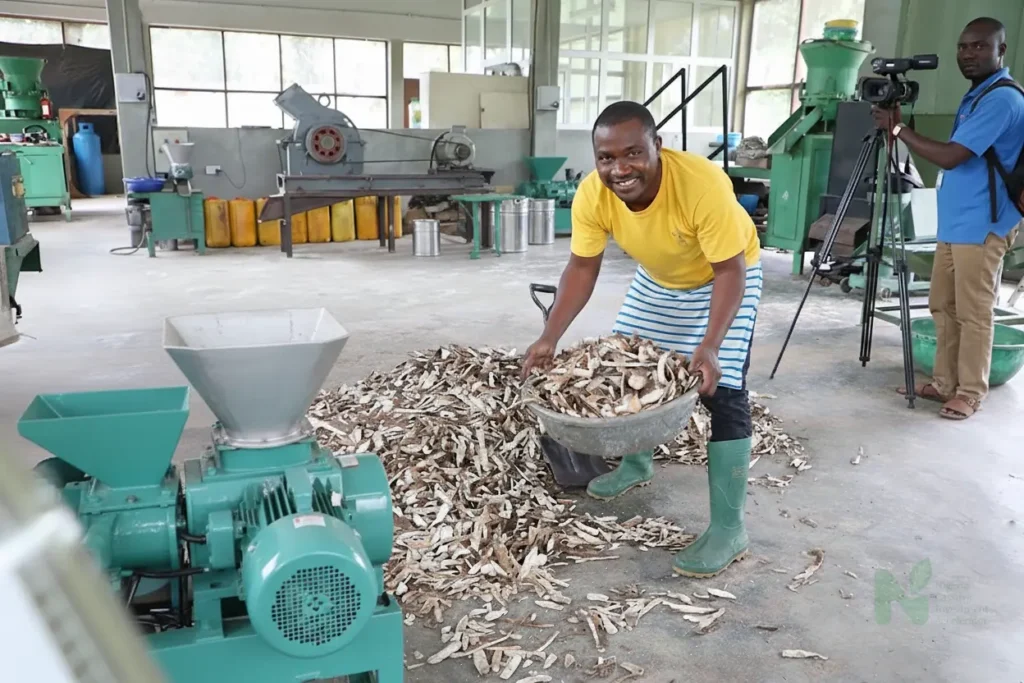
Globally, cassava processing is a $183 billion industry, yet Nigeria captures only about 2% of this value. Most cassava in Nigeria is processed into staple foods such as garri and fufu, rather than higher-value products like starch, sweeteners, or ethanol. This leaves significant industrial and employment potential untapped.
Realising this opportunity will require stronger value-chain systems. Cassava’s high perishability and weak aggregation already cause 25–40% post-harvest losses, while over 90% of production goes to food use. While improving aggregation is part of the solution, there is also a major opportunity in building circular processing models that reuse waste and keep value onshore.
NCIA’s analysis highlights a pathway to sustainable cassava industrialisation, one that reuses waste and keeps value onshore.
Cassava Waste as a Resource, Not a Liability
Nigeria generates an estimated 15 million metric tonnes of cassava waste each year, with more than half underutilised. Redirecting this flow reduces emissions and creates new revenue streams:
- Animal Feed: Peels can be processed into High Quality Cassava Peel (HQCP) mash, replacing up to 25% of maize in poultry feed. This reduces reliance on volatile imports, cuts feed costs, and supports Nigeria’s National Livestock Strategy. Scaling HQCP relieves pressure on maize, strengthens supply chains, and turns crop processing waste into a strategic input for livestock production.
- Energy for Processing Plants: Dried peels have a calorific value of ~12 MJ/kg. Used in boilers, they can supply 30–50% of a plant’s energy needs, reducing fossil fuel costs by 24–40%.
- Biofertilizer: Composting peels produces nutrient-rich fertilizer, lowering dependence on synthetic alternatives.
- Biogas: Digesting peels and wastewater generates renewable energy that can fuel plants and nearby communities. The biogas opportunity alone is estimated at $300 million.
The Economic Upside of Green Cassava Processing
Circular cassava models do not just reduce waste, they also create value.
NCIA modelling shows that an investment of $300 million in cassava processing could:
- Generate $350–360 million in processor revenues
- Add $810–820 million to Nigeria’s economy
- Create 220,000–230,000 jobs, with women filling about 135,000 roles
These gains come not only from increased processing, but from smarter business models. Integrating waste-to-value streams broadens revenue bases. A starch or ethanol plant that also sells animal feed and renewable energy becomes more competitive and resilient, less exposed to raw material shocks.
Climate-Smart Cassava Growth
Sustainable cassava industrialisation also supports Nigeria’s climate commitments:
- Methane reduction: Preventing open-air decomposition of cassava waste cuts emissions of methane, a greenhouse gas far more potent than CO₂.
- Energy security: Using peels and residues as bioenergy reduces reliance on imported fossil fuels.
- Smart expansion: Locating plants in high-suitability zones (Southern Guinea savanna and rainforest belts) and complementing medium zones with irrigation ensures food security and industrial demand can grow together.
The Path Forward for Nigeria’s Cassava Sector
By designing circular plants, converting waste into feed, energy, and fertilizer, and sustainably expanding cassava output, Nigeria can capture a larger share of the global cassava market while also reducing emissions and building resilient livelihoods.
Cassava waste is already being transformed into feed, fertilizer, and energy in pilot projects across Nigeria. The challenge now is scale.
If Nigeria succeeds, cassava can shift from a symbol of lost value into a global model of sustainable industrialisation.